
Origami Psychology
Specialist psychological care for leaders and professionals under sustained pressure
Many high-achieving people carry early-life adversity, or trauma that has never been named. It can build a remarkable ability to perform under pressure – and quietly undermine it. We address both the psychological and physical toll.
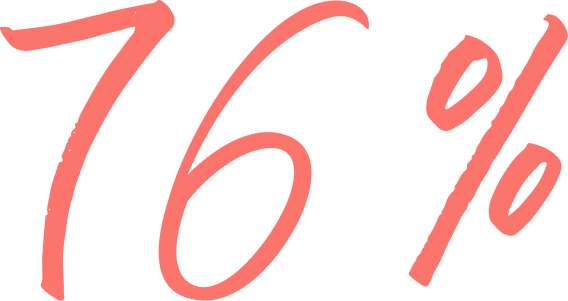
of our caseload report early-life trauma
are aged 40 to 59

are men
What changes when you work with us
Treating the root causes, not just the symptoms, means sharper focus, better relationships, a healthier work-life balance and stronger, more resilient teams.

Secure
long-term profitability

Drive innovation

Reduce churn

Create stability

Attract talent
Poor employee mental health cost the UK £51bn, while investing in employee wellbeing and mental health can yield £4.70 for every £1 invested (Deloitte, 2024).
How we work
There’s no fixed programme. We steady the pressure first, then work on what’s driving it, to help you to perform better and build habits that last.
Step 1
Talk to us
A confidential assessment of your needs. You can then fund your own care, use your organisation’s partnership with us, or ask your employer to fund it – we can prepare the supporting clinical report and documentation. (see What It Costs).
Step 2
Your clinician and your plan
You’re matched with a senior clinician and agree a plan together – this is a clinical decision, not an administrative one.
Step 3
The work
Sessions work around your diary, remotely or in person, alongside medical and crisis specialists where needed – so you never have to start again somewhere else.
Step 4
Review
Progress is reviewed on an ongoing basis, so your plan keeps pace with your needs.
What it costs
Self-funded membership is £75 a month: up to six initial assessments a year for either you or your family, six self-paced psycho-educational training modules, priority booking with a matched senior clinician. Plus, priority booking for retreats, and early access to our research and White Papers.
Clinical sessions and additional assessments are £290 an hour, for individual, couples, family or parent-child work. Any second clinician or complex coordination is agreed with you first.
If your organisation funds your access, none of this falls to you. To help you ask your employer for support, we provide an assessment, clinical report and documentation for £1,000.
Founders, chairs and board members can access a discreet programme, by introduction, with a single named point of contact.
VAT applies where chargeable.
Why it matters to your organisation
Distress hides in plain sight. The pressure that drives performance can undermine it, building long before it shows and sharpening at points of change: restructures, leadership transitions, changes of ownership.
Sustained pressure erodes judgement long before it looks like illness, and its impact reaches across the organisation:
| Category | What it may look like | Risk to the organisation |
|---|---|---|
| Trauma, stress and adjustment | Being constantly on edge; heightened sense of threat; difficulty managing emotions; feeling detached; grief; struggling to adjust to change | Declining performance; conflict with colleagues; poorer decision making; safeguarding concerns |
| Low mood and depression | Persistent low mood; reduced energy & functioning; withdrawal; emotional numbing; risk of relapse | Absence; reduced output; weaker decision-making |
| Anxiety | Avoidance; panic; constant worry; exhaustion | Reduced performance; strained working relationships; presenteeism |
| Neurodevelopmental | Overload; difficulty regulating; strain on focus, planning and organisation | Burnout; talented people lost where support is missing |
| Work and life pressures | Workplace conflict; burnout; bereavement; relationship strain; fatigue; poor sleep | Team conflict; disengagement; loss of key people |
| Addiction | Compulsive behaviours; relying on alcohol, drugs, gambling or other behaviours to cope; secrecy; isolation; risk of relapse | Absence; impaired judgement; safety; reputational risk; loss of key people |
| Anger | Irritability; outbursts; aggression; criticism of others; frustration that escalates quickly | Team conflict; inability to collaborate; increased risk to others; grievances; people leaving |
| Transition | Uncertainty and loss of identity through promotion, mergers, restructures, relocation, returning from leave, retirement or exit | Disengagement; poorer decisions at critical moments; loss of key people during change |
Sustained pressure can trigger five threat responses: fight, flight, freeze, submission or a cry for help. These may appear as anger and criticism; avoidance and compulsive behaviour; panic and shutdown; shame and emotional numbness; or helplessness and crisis. Recognising the response helps guide appropriate support.
This is a governance issue, not just a performance one: retention, decision-making capacity and your duty of care to those under the heaviest pressure. Standard wellbeing support wasn’t built for this. Origami was.
Poor employee mental health cost the UK £51bn, while investing in employee wellbeing and mental health can yield £4.70 for every £1 invested (Deloitte, 2024).
The return on your investment
The senior professionals we support scored their experience. On average:

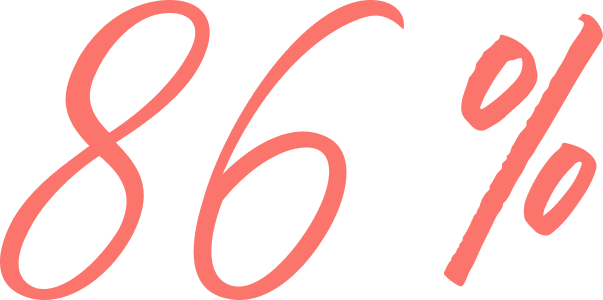
agreed without support, they would have considered leaving their job.

agreed without support, they would have been at greater risk of burnout.
During a private equity transition, session demand at one client organisation rose almost fivefold.
Restructures, mergers and changes of ownership are where pressure peaks, and where losing a leader costs most.
In a single week, 19% of one client’s senior caseload independently raised wanting to leave.
99% agreed Origami is higher quality than any other wellbeing support they’ve accessed, and 98% that specialist psychological support is essential.
And it costs less than the alternatives: unregulated executive coaching runs at £450 to £900 or more a session, against £290 an hour for regulated clinical treatment with a full duty of care.
How the corporate package works
Around £100,000 a year: a retainer for access and administration, plus a fund your leaders draw on as needed – up to 12 sessions each. You control the spend, not who uses it or how often.
Support can also extend to a partner, or to children aged 12 and over, because leadership pressure rarely stays at work.
For smaller organisations
The same clinical standard, confidentiality and independence, sized to your numbers. It starts from £10,000 for the clinical fund, paid in advance, which your people draw on as needed. Taking part is always voluntary.
What it costs and what’s included
Both options include a response within 48 hours and an appointment within a week; experienced clinicians you can switch as needs change, with crisis support included; sessions that roll over at year end, with regular statements; support for partners and children aged 12 and over; and an optional half-day leadership panel (£2,500).
| Corporate package | Smaller organisations | ||
|---|---|---|---|
| Typical cost | Around £100,000 a year | From £10,000, paid in advance | |
| Retainer £42,000 a year (equates to £3,500 a month) |
Clinical sessions £58,000 session bank at £290 an hour |
||
| How it works | Guaranteed access and oversight for your organisation | A clinical fund your people draw on as needed. Specialist treatment at £290 an hour, shaped by clinical need | A clinical fund your people draw on as needed. Specialist treatment at £290 an hour, shaped by clinical need |
| Access | Rapid access: a response within 48 hours, with an appointment offered within a week | 200 sessions, up to twelve per person; further sessions self-funded | Rapid access: a response within 48 hours, with an appointment offered within a week. Session numbers determined by need |
| Clinical care | Multidisciplinary team oversight of every case, including clinical supervision of all cases | Expert clinicians with real depth of experience and a wide range of skills. You can switch clinicians as needs change, and secondary clinicians for crisis or complex needs are included. | Expert clinicians with real depth of experience and a wide range of skills. You can switch clinicians as needs change, and secondary clinicians for crisis or complex needs are included. |
| Assessment | — | Included within sessions | Two-hour clinical evaluation and written report for each participant, £870 per person |
| Organisational insight | Quarterly reports and an annual review summarising current and emerging trends, shared anonymously on cohorts of ten or more | — | Anonymised organisational report and recommendations once ten or more evaluations are complete (optional, £5,500) |
| HR supervision | Quarterly clinically led supervision sessions for your HR team | — | Quarterly clinically led supervision sessions for your HR team (optional) |
| Training | Six organisation-wide modules a year, with a new release every two months | — | Six organisation-wide modules a year, with a new release every two months (optional) |
| Annual leadership panel | Half-day session with your senior team (optional, £2,500) | — | Half-day session with your senior team (optional, £2,500) |
| Unused funds | — | Regular statements; any top-up agreed with you in advance. Sessions roll over, with no cliff edge at the year end | Regular statements; any top-up agreed with you in advance. Sessions roll over, with no cliff edge at the year end |
| Family | — | Partners, and children aged 12 and over | Partners, and children aged 12 and over |
VAT applies where chargeable.
Origami can also be held at portfolio level, giving investors one standard of support across portfolio companies.
Part of every engagement funds Origami Faculty’s psychological education in underserved communities – social value towards your ESG and CSR commitments.
Confidentiality
The clinical relationship stays between Origami and the individual. We never disclose identities, session content or records. Even where someone is at serious risk, we don’t inform the organisation without their consent: our duty of care is met clinically, through referral to home treatment or crisis services.
An annual review shows how the service is being used. It’s why our corporate clients don’t just continue with us. They extend.
Training modules
Topics include:

Supporting colleagues through stress and trauma
Complex trauma and how it presents
Narcissism and psychopathy and how they present
Imposter syndrome and the impact on leadership
Perinatal mental health
Trauma in the workplace
Menopause
Leading through mergers and transition
Addiction
Managing tensions between family life and work
Our clinical team
Every intervention is delivered by senior clinicians who specialise in complex, high pressure presentations, including trauma. Through our Origami Faculty partnerships, clients can also access a wide range of therapies, so support can be shaped around each person.
Testimonials
Words from our clients
Accreditations


